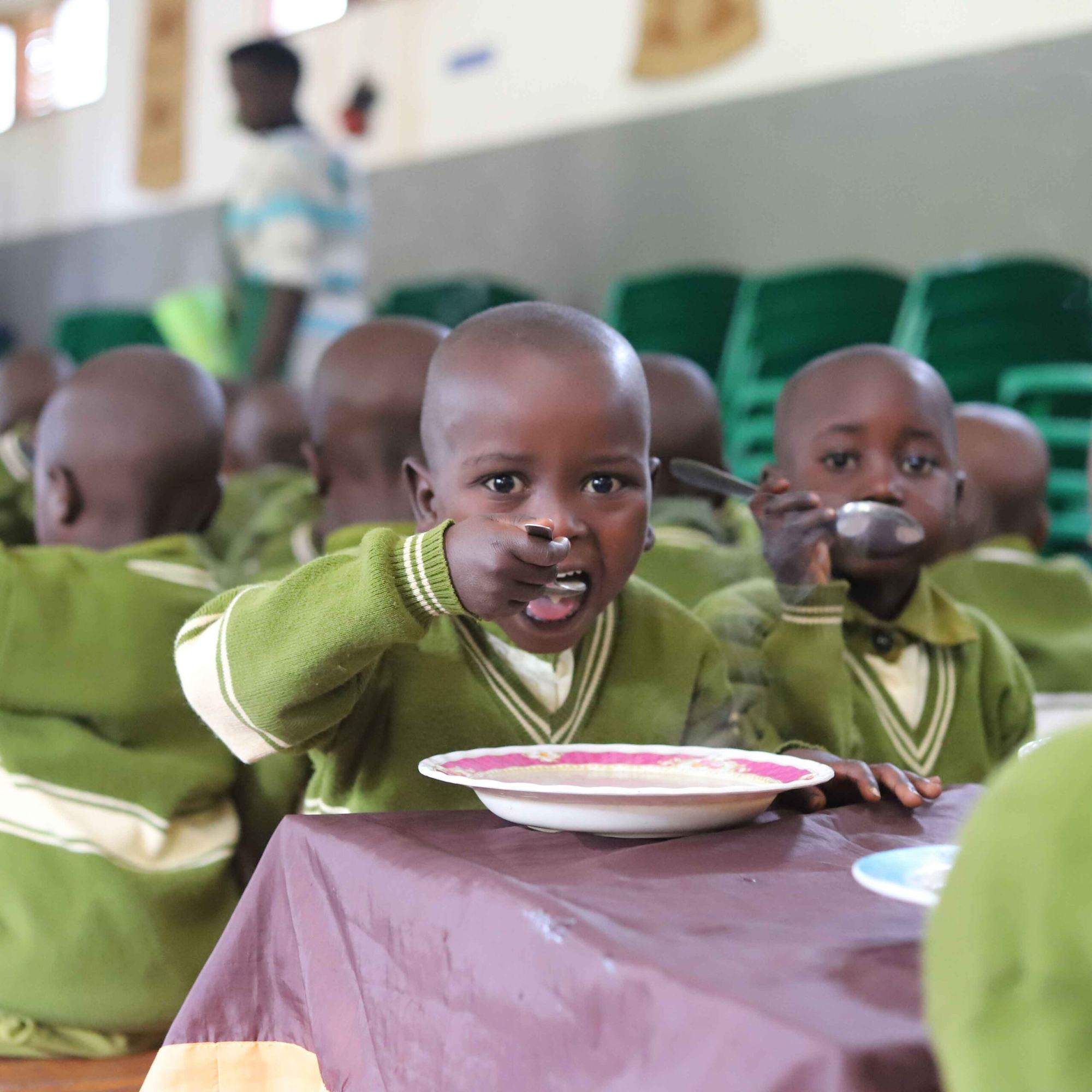
 One Cup a Day feeding point, Bubanza province
Rural Burundi, since 2010
We don't run projects.
We finish communities.
A family gets land. Then a clinic, a school, seed, training and a savings group, until the village no longer needs us. Ten years in, that sequence has a name: the COH Model.
Stop or change it whenever you like.
Figures as published by Communities of Hope for the 2021 programme year. Ask us for current numbers.
Happening now
The Kibira is the last great forest in Burundi. We are putting it back.
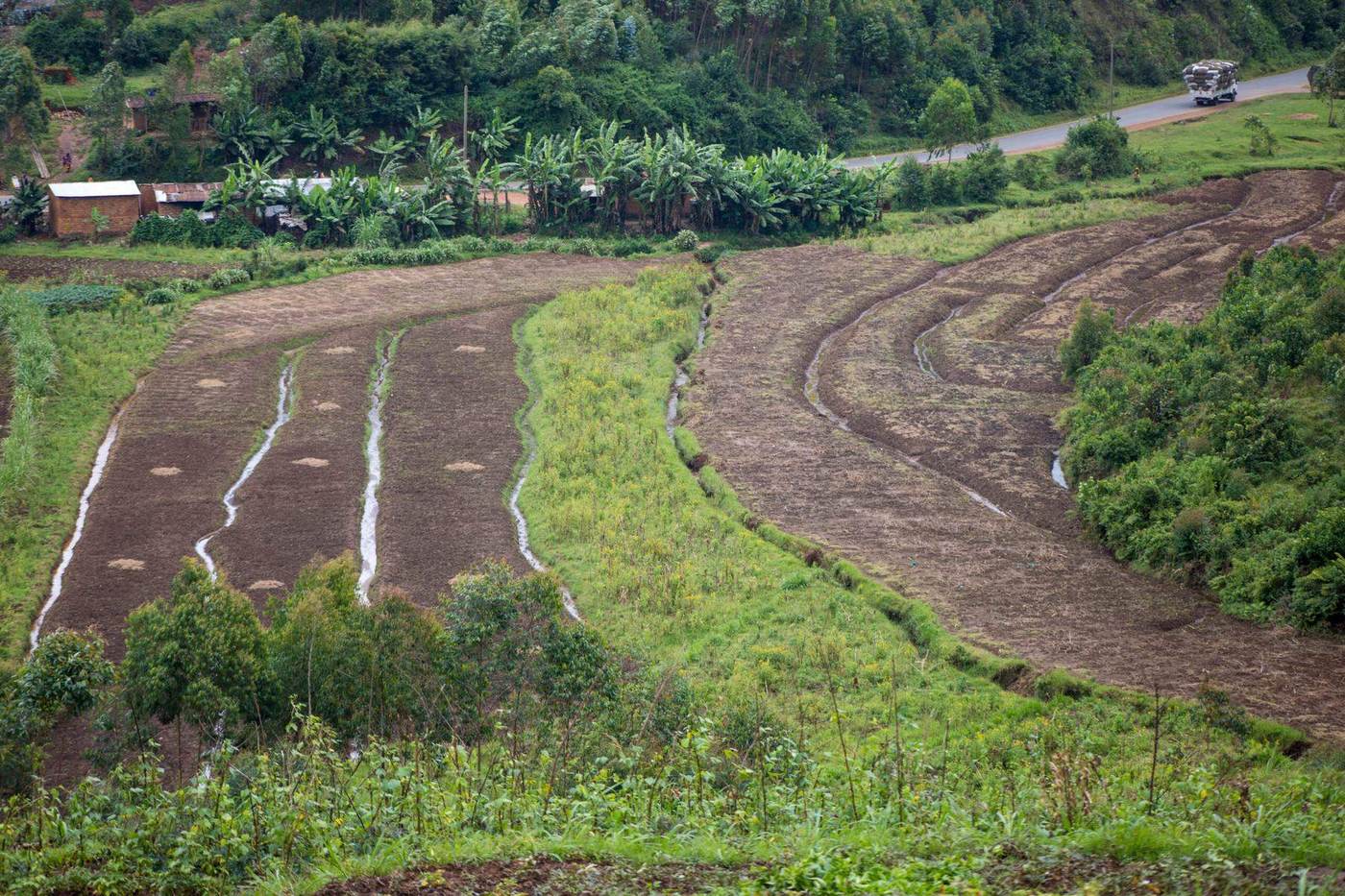
Landslides strip the hillsides above Bubanza and Cibitoke, and the families who lose the soil are the same families who have the least room to absorb it. So the work is one job, not two: restore the forest, and pay the people who restore it.
By February 2026 we had distributed 40,000 tree seedlings to more than 3,000 households in landslide-affected areas. The commitment we made runs to December 2029 and it is 162,000 trees, planted with the women, the young people and the Batwa communities who live at the park's edge.
- 40,000seedlings distributed by February 2026
- 3,000+households receiving them
- 162,000trees committed by December 2029
The COH model
Poverty in rural Burundi is not one problem, so we never fix one thing.
We started in Matara with thirty families who had nothing to lose. Ten years later the sequence they worked out with us is the sequence we still use.
Land
For a family living in poverty, owning land changes everything. Day labourers, squatters and renters become owners, and a generation of bonded labour ends there.
Health and food
Land is worth little to a family that is sick or hungry. Clean water, sanitation, maternal and child health, and a hot meal every morning for the children.
Farming that sells
Market-led agriculture is not selling what you planted. It is planting what will sell. Better seed, better methods, more harvests a year, on less ground.
Their own money
Savings groups, mostly led by women. Credit for tools and seed. Farming associations. The point is that the money stops coming from us.
What we run
Seven institutions, built to outlast us
Kwizera Academy
Top performing school in Bubanza province for six years running.
Kwizera Trade School
900 graduates in six years. Between them they have started 28 businesses.
Laura Shook Health Centre
Focused on the first 1,000 days of a child's life. 12,997 patients seen in 2021.
One Cup a Day
Breakfast for 55,000 children across 22 communities. After 120 days on the programme, children double their weight.
Burundi Fortified Foods
Affordable, high quality, locally milled food. Nutrition you can buy rather than wait for.
Kazoza Finance
2,878 loans in 2021, from $300 to $25,000. Banking for people no bank would see.
Kazoza Radio and TV
Practical training and market information for young entrepreneurs, in Burundi and beyond.
One family
They were called abagererwa. They farmed another man's land and were paid in food.
Jean Bosco and Esperine lived on someone else's land in Matara. No wage, no title, no way forward. Then the owner told Jean Bosco he intended to sell.
They came to Communities of Hope. Over the following years they took agricultural and business training, built a house, put their children in school and started a business on land that was theirs. Today the crops are good and the home is their own.
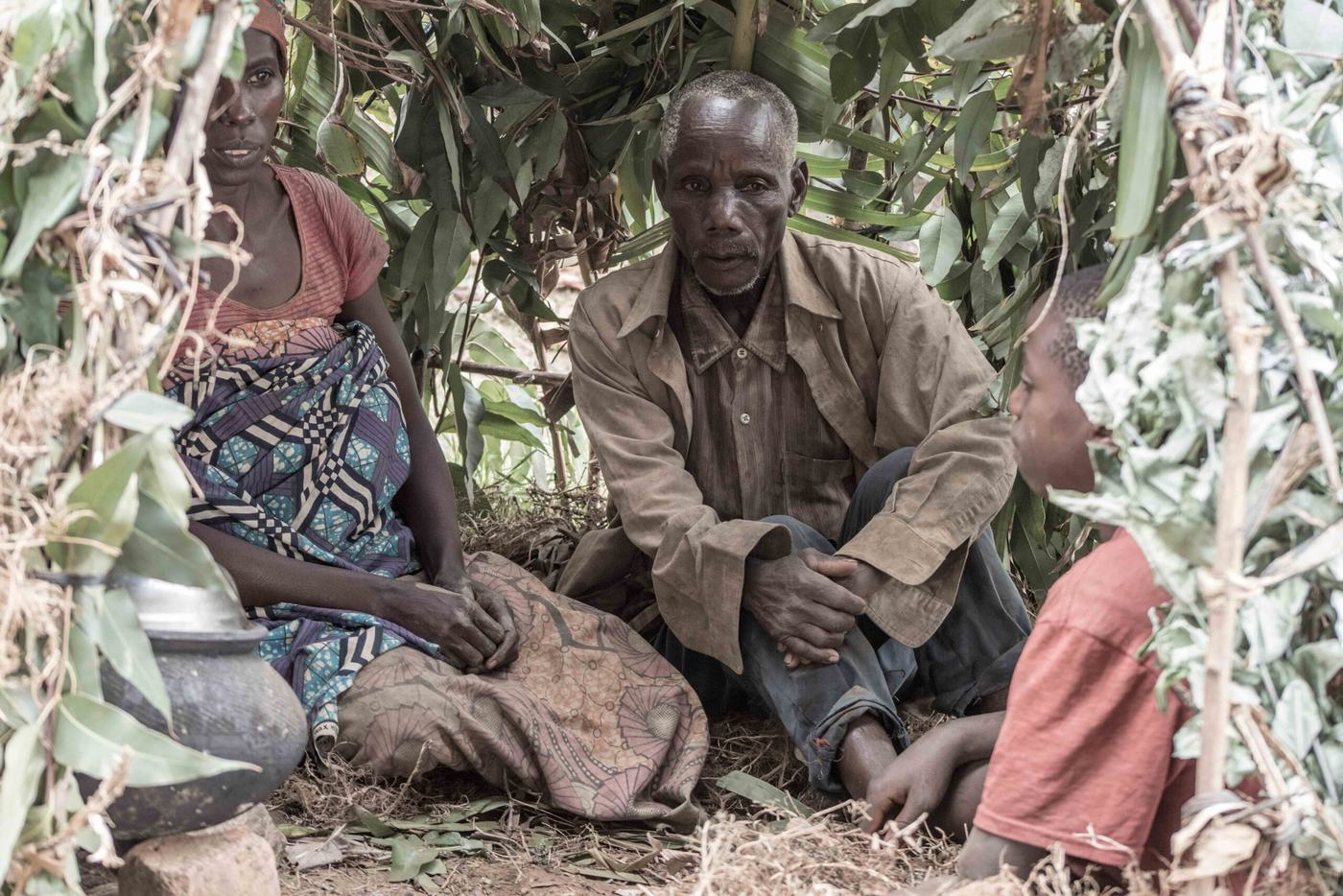 A farming couple in a Communities of Hope community. Not pictured: Jean Bosco and Esperine.
Where we work
Six communities, named
Communities of Hope names the places it works in. These are the most active ones.
- MataraWhere it started, with thirty families who had nothing to lose
- MuyangeBubanza province
- ButerereBeside the city dump
- Kayanza
- Muyinga
- Kabezi
Before you give
What we will tell you
We date our numbers
Every figure on this site carries the year it was published for. Where we do not have a current number, we say so instead of reusing an old one.
We are registered in Burundi
Communities of Hope is a Burundian organisation with a legal representative, a national coordinator and a permanent team in Bujumbura.
Transparency is one of our four values
In our own words: giving partners total and permanent access to project information and data.